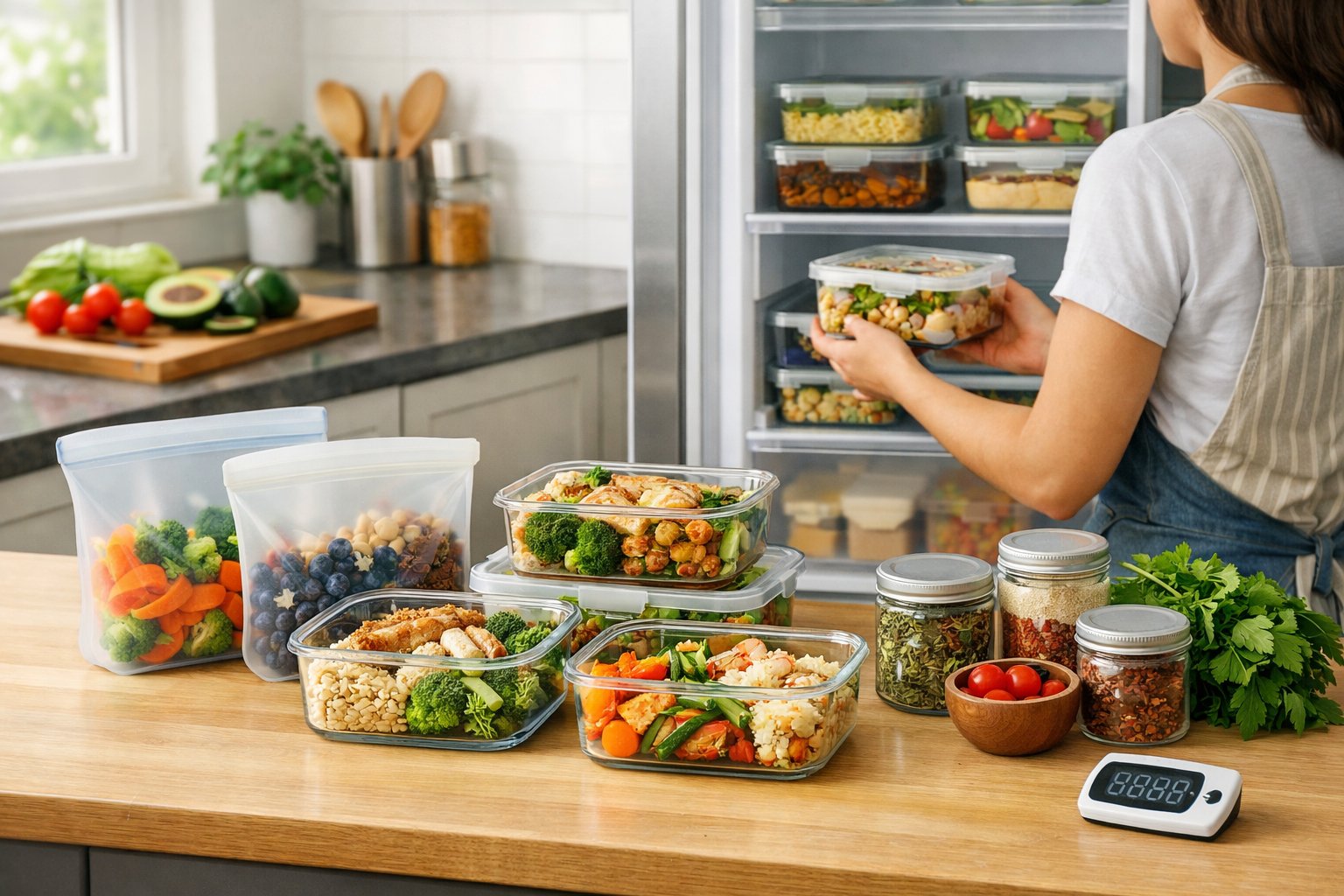

Most households toss out hundreds of dollars’ worth of food every year because of poor planning or forgotten leftovers. Smart meal prep strategies can cut your food waste in half while saving you 6-8 hours per week in the kitchen.
The solution isn’t complicated or time-consuming. You just need a different approach to shopping, storing, and using your ingredients.
You don’t have to overhaul your whole routine to see results. Simple tweaks like checking your fridge before shopping, storing food right, and treating every ingredient as valuable can really add up.
These methods work whether you cook for yourself or a whole family. The strategies here show how to plan meals using what’s already in your kitchen, keep food fresh longer, and turn potential waste into new dishes.
You’ll also find some product recommendations to make the whole process smoother. Honestly, it’s not rocket science, but a few tools can help.
Key Takeaways
- Planning meals around what you already own stops you from buying duplicates and cuts down on waste
- Good storage containers and techniques keep food fresh and help avoid spoilage
- Simple prep methods like batch cooking and scrap saving save time while making the most of every ingredient
The Core Benefits of Meal Prep
Meal prep brings two big perks that can totally change your routine. You spend less time cooking and less money on food, plus it’s a lot easier to stick to healthy eating habits during the week.
How Meal Prep Saves Time and Money
Prepping meals in advance can save you 3-5 hours every week. When you batch cook proteins, grains, and veggies all at once, you skip the repetitive setup and cleanup that comes with making meals from scratch every day.
Planning ahead drops your grocery bill. You buy only what you need based on your weekly menu, so there’s less temptation to grab random things at the store.
You waste less food because you use ingredients across multiple recipes before they go bad. The time savings add up fast. You spend one 2-3 hour block prepping instead of 30-60 minutes each night cooking dinner.
This means more free time on busy nights when you’re wiped out from work or life. Who doesn’t want that?
Meal Prep’s Role in Healthy Eating
It’s way easier to eat well when healthy meals are already chilling in your fridge. You’re less likely to order takeout or hit a drive-thru when you’ve got something good at home.
With meal prep, you control portion sizes and ingredients. You can measure out balanced servings instead of guessing at a restaurant.
You also avoid the extra salt, sugar, and weird fats that sneak into processed or restaurant foods. If you have specific nutrition goals, just build those into your weekly prep.
This kind of structure helps you keep up healthy eating habits over time, even if you’re not always feeling super motivated.
How Meal Planning Reduces Food Waste
Planning your meals ahead of time tackles the main causes of food waste at home. When you know what you’ll cook and eat, you only buy what you need and use ingredients before they spoil.
Understanding Food Waste in the Kitchen
Nearly 40% of food in America ends up in the trash instead of on plates. This usually happens when you forget about things in the fridge, buy too much, or let produce go bad.
Food waste costs your household hundreds of dollars every year. Wilted veggies, expired pantry items, and forgotten leftovers all add up.
The kitchen gives you the most control over food waste. Tossing food means you’re wasting money and the resources it took to grow and transport it. That stings a little, doesn’t it?
Meal Planning Methods for Waste Reduction
Check your inventory before shopping. Look through your fridge, freezer, and pantry before making meal plans. Write down what needs to be used soon and base your meals around those ingredients.
Create a shopping list from your meal plan. Buy only what you need for the meals you planned. This stops impulse buys and keeps extra food from piling up.
Plan meals that use similar ingredients. If you use half a bunch of cilantro in one recipe, plan another meal that week to use the rest. That way, you actually use up the whole thing.
Leave space for leftover meals. Schedule a night or two each week for leftovers. This keeps good food from sitting too long and getting gross.
Practice first in, first out. When you put away groceries, move older items to the front and newer ones to the back. Use the oldest stuff first to avoid surprises later.
Step-by-Step Meal Planning Strategies
Good meal planning starts with knowing what you have, deciding what to cook, and buying only what you need. These steps work together to shrink waste and save hours every week.
Taking Inventory of Pantry and Fridge
Check your pantry, fridge, and freezer before planning meals. Write down what you have, especially anything that’s about to expire.
Look for pantry staples like rice, pasta, canned goods, and spices. Group similar items together, like putting all your grains in one spot and veggies in another. This makes it so much easier to see what you’ve got.
Note how much you have of each item. It’s easy to think you’ve got enough chicken for two meals when it’s really just enough for one. Mark anything that’s running low so you can add it to your shopping list.
Creating a Practical Meal Plan
Start by planning three to four dinners for the week, not all seven. Pick recipes that share ingredients so nothing goes to waste.
If you buy a bunch of cilantro, use it in tacos one night and curry another. Build your meal plan around what you already have.
If you find three cans of black beans, plan a burrito bowl or soup. Choose one or two new recipes and fill in the rest with meals you know how to make.
Write down each meal with the day you plan to cook it. Put quick meals on busy days and save longer recipes for when you have more time.
Plan to use fresh produce early in the week and save hardier veggies for later. That way, nothing goes bad before you get to it.
Building a Smart Grocery List
Organize your shopping list by store section to make shopping less of a headache. Group all the produce together, then dairy, then pantry items.
Only add what you need for your planned meals and a few basics you’re running low on. Check your meal plan and inventory before adding anything to the list.
Cross-reference ingredients between recipes so you buy the right amounts. Put specific quantities on your list, like “2 bell peppers” instead of just “peppers.”
Note if you need seasonal produce that might not be there. Stick to your list, even if something’s on sale and you don’t have a plan to use it. Otherwise, it’ll probably just go to waste.
Effective Meal Prep Techniques
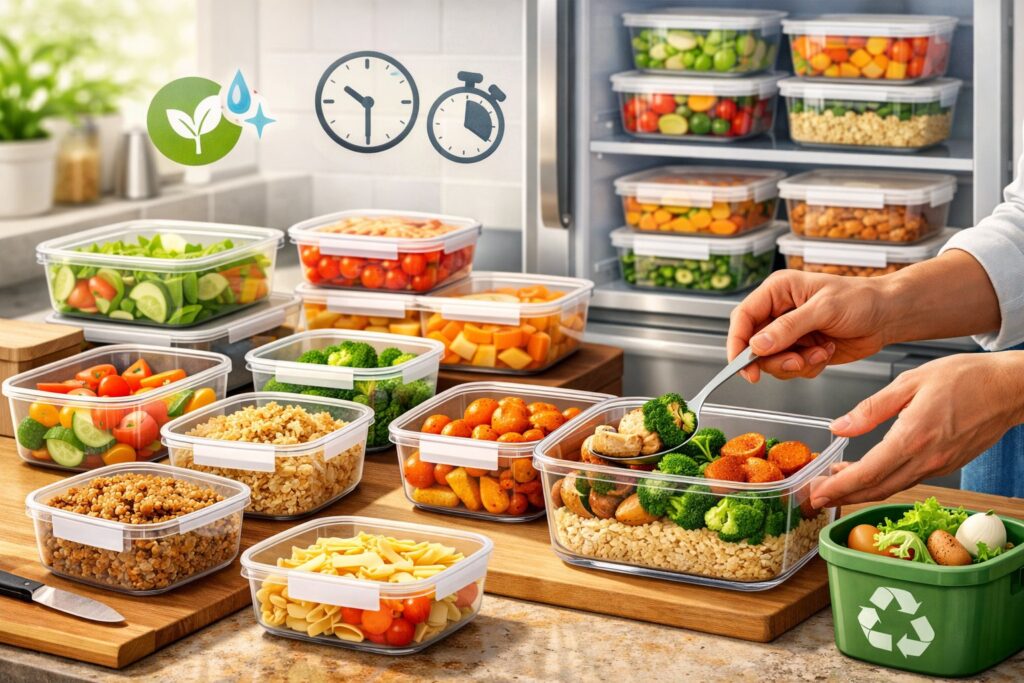
Setting aside time to prep meals in advance means picking the right day, cooking food in batches, and making dishes that work for more than one meal. These habits make meal prepping way easier and help you waste less.
Choosing Your Meal Prep Day
Pick a day when you’ve got two to three hours to yourself in the kitchen. Most people go for Sunday or Wednesday because there’s usually less going on.
Look at your week and pick the day when you feel least rushed. Block out that time each week to build a routine.
Morning hours work if you like fresh energy, while afternoons are great if you want to shop and prep on the same day. Stick to your chosen day for a few weeks until it feels automatic.
If a full block feels like too much, split your prep into two shorter sessions. Chop veggies one day, cook proteins and grains the next. This is especially helpful if you’re new to meal prepping.
Batch Cooking and Portioning
Cook big batches of ingredients that reheat well and fit into different meals. Roasted chicken, rice, quinoa, and veggies are all good basics.
Cook these at the same time using your oven, stovetop, and any gadgets you’ve got. Portion out your food right away into containers while it’s still warm.
Use containers that hold one or two servings so you only grab what you need. Label each with the contents and date using masking tape or an erasable marker.
Common batch cooking portions:
- Proteins: 4-6 ounces per serving
- Grains: 1/2 to 3/4 cup cooked per serving
- Vegetables: 1 to 1.5 cups per serving
Keep meals you’ll eat within three days in the fridge and freeze the rest. Freezer meals stay good for two to three months if you use airtight containers.
Let food cool to room temperature before freezing to avoid ice crystals. It’s a small thing, but it matters.
Incorporating Leftovers and Versatile Recipes
Plan your meal prep around components you can mix and match. One batch of seasoned ground beef works in tacos, pasta sauce, grain bowls, and stuffed peppers.
Roasted veggies can be sides, salad toppings, omelet fillings, or sandwich extras. Create a simple formula: prep two proteins, two grains, and three vegetable options each time.
Mix and match these through the week so you’re not eating the same thing every day. Switch up sauces, seasonings, or toppings to keep things interesting.
Turn last night’s dinner into today’s lunch by adding something fresh. Roasted chicken from dinner can become a salad or a wrap with different veggies.
Keep a running list of recipes that use similar ingredients so nothing gets forgotten in the fridge. If you buy a bunch of cilantro, plan meals that all use it up that week.
Storage Solutions to Maximize Freshness
Good storage keeps your prepped meals safe and tasting good for days or even weeks. The right containers, proper temperatures, and smart organization help prevent waste and make meals easy to grab when you need them.
Choosing the Right Storage Containers
Glass storage containers work best for most meal prep needs. They don’t absorb odors or stains, and you can safely reheat food in them using a microwave.
Glass also doesn’t leach chemicals into your food when heated. That’s a relief, honestly.
Airtight containers are essential for keeping food fresh longer. They slow bacterial growth and prevent moisture loss.
Look for containers with secure-fitting lids that snap or lock into place. It’s worth double-checking the seal before you stack them in your fridge.
Plastic containers cost less and weigh less than glass. They’re good for freezer storage since they won’t crack in cold temperatures.
Move food to a plate before microwaving plastic containers to avoid chemicals leaching into your meals. It’s one extra step, but probably worth it.
Match container sizes to your portions. Single-serving containers help you avoid reheating more food than you’ll eat.
Separate containers for different meal components keep ingredients from getting soggy. A little extra planning here goes a long way.
Refrigeration and Freezing Tips
Keep your fridge between 35°F and 38°F. Bacteria grow quickly between 40°F and 140°F, so staying below this range keeps food safe.
Set your freezer to 0°F. It might sound obvious, but not everyone checks.
Let hot food cool for 30 minutes before sealing and refrigerating it. This prevents condensation that makes food soggy.
Don’t wait until food reaches room temperature though, as bacteria can start growing. It’s a bit of a balancing act.
Store leftovers on middle or bottom shelves, not in the door. Door shelves face warmer air each time you open the fridge.
Avoid packing your fridge too full since air needs to circulate to maintain proper temperatures. Give your leftovers some breathing room.
Freeze meals in plastic containers or resealable bags to prevent cracking. Label each container with the date and contents.
Most cooked meals stay good in the freezer for 2-3 months. Thaw frozen meals in the fridge overnight, never on the counter.
Organizing Your Kitchen for Easy Access
Place older meals toward the front of your fridge and freezer. Eating them first prevents spoilage and waste.
Store newer batches in the back. It’s a simple rotation, but it works.
Group similar items together. Keep all breakfast containers in one area and lunch items in another.
This system saves time when you’re rushing in the morning. No more digging through stacks of containers.
Use clear containers so you can see what’s inside without opening them. Stack containers of the same size to save space.
Leave some empty space between containers for air flow. Your fridge will thank you.
Store dressings, sauces, and toppings in small mason jars or containers. Keep them separate from the main meal until you’re ready to eat.
Line produce containers with paper towels to absorb extra moisture and extend freshness. It’s a small trick, but surprisingly effective.
Practical Examples and Time-Saving Tips
Real meal prep success comes from establishing routines that work with your schedule. Making smart choices about ingredients that last longer and serve multiple purposes helps too.
Sample Weekly Meal Prep Routine
A Sunday afternoon prep session can set you up for the entire week with just two hours of focused work. Start by cooking a large batch of quinoa and brown rice, which takes 30 minutes with minimal attention.
While grains cook, roast two sheet pans of vegetables like bell peppers, zucchini, and sweet potatoes at 425°F for 25 minutes. The kitchen smells pretty great at this point.
During the final 30 minutes, prepare two proteins such as baked chicken thighs and a pot of black beans. Season the chicken simply with salt, pepper, and garlic so it works in different flavor profiles throughout the week.
Let everything cool for 15 minutes before portioning into containers. This step is easy to forget, but it matters.
Your weekly meals might look like this:
- Monday: Chicken with roasted vegetables and quinoa
- Tuesday: Black bean tacos with leftover roasted peppers
- Wednesday: Quinoa bowl with fresh greens and remaining chicken
- Thursday: Beans and rice with sautéed zucchini
- Friday: Sheet pan vegetables in a frittata with new eggs
How to Use Seasonal Produce Efficiently
Buying produce in season saves money and reduces waste since these items are fresher and last longer in your refrigerator. Winter squash bought in fall stays fresh for weeks on your counter.
Summer tomatoes need to be used within days but cost less when abundant. It’s a tradeoff, but worth it for the flavor.
Plan your meal prep ideas around what’s currently in season. In spring, asparagus and peas work well in grain bowls and pasta dishes.
Summer brings zucchini and peppers that roast beautifully for multiple meals. Fall squash can be cubed and frozen after roasting, extending its use for months.
When you buy seasonal items in bulk, prep them immediately. Wash berries and store them with a paper towel to absorb moisture.
Chop sturdy vegetables like carrots and celery right away so they’re ready to use. Leafy greens stay fresher when wrapped in damp towels inside containers.
Reducing Waste with Pantry Staples
Stock your pantry with versatile items that have long shelf lives and work across multiple cuisines. Dried beans, lentils, canned tomatoes, and whole grains form the foundation of countless meals.
These pantry staples cost less per serving than their fresh or prepared counterparts and create less waste since they don’t spoil quickly. It’s a relief when you realize you have dinner options even if you haven’t shopped in a while.
Essential pantry items that reduce food waste:
- Canned beans for quick proteins when fresh options spoil
- Frozen vegetables as backups for wilted produce
- Dried pasta for meals when meal prep runs out
- Jarred pasta sauce that lasts months after opening
- Rice and quinoa that store for years
When fresh ingredients start to decline, your pantry saves the day. Wilting spinach goes into pasta with canned tomatoes and white beans.
Softening peppers blend into tomato sauce. Aging herbs get chopped and frozen in olive oil in ice cube trays for future use.
Top Product Recommendations for Meal Prep
The right tools make meal prep easier and help food stay fresh longer. Glass containers keep meals safe and visible, while airtight seals prevent spoilage and freezer burn.
Best Glass Storage Containers for Meal Prep
Glass containers offer clear advantages for meal prep. They don’t absorb odors or stains like plastic, and you can see what’s inside without opening them.
Pyrex Simply Store containers are durable and dishwasher-safe. They come in multiple sizes from 1 cup to 7 cups, which lets you store everything from snacks to full meals.
The lids snap on tight but aren’t completely airtight. It’s something to keep in mind for long-term storage.
Prep Naturals Glass Meal Prep Containers include three compartments in each container. This design keeps different foods separated until you’re ready to eat.
They’re oven-safe up to 400°F when you remove the lids. That’s handy if you want to reheat something without dirtying another dish.
Look for containers with measurement markings on the sides. These help you track portion sizes without extra measuring tools.
Glass containers last for years if you handle them carefully. They might cost more upfront, but they pay off over time.
Most Reliable Airtight Containers
Airtight seals are critical for preventing food waste. They keep moisture in your food where it belongs and stop air from causing freezer burn.
Rubbermaid Brilliance containers use a latch system that creates a complete seal. The clear bases let you check your food without opening them.
These work well for soups and sauces that might leak in regular containers. No one wants a fridge disaster.
OXO Good Grips containers feature silicone gaskets in the lids. Press the center of each lid to hear a click that confirms the seal is tight.
They stack neatly in your refrigerator to save space. Organization really does make a difference.
Store leafy greens with a paper towel inside airtight containers. The towel absorbs extra moisture that would make the greens wilt.
Label each container with the date you prepared the food so you know when to use it by. It’s easy to lose track otherwise.
Digital Tools for Meal Planning
Apps and digital tools remove the guesswork from meal prep. They organize your shopping list and help you plan meals that use similar ingredients.
Mealime generates recipes based on your dietary needs and creates a shopping list automatically. The app groups items by store section, which speeds up your grocery trips.
You can adjust serving sizes to match how many meals you want to prep. It’s flexible, which is nice.
AnyList lets you share shopping lists with family members in real time. When someone buys an item, it updates for everyone.
The app also stores your favorite recipes and suggests ingredients you might need. That little reminder can be a lifesaver.
Paprika Recipe Manager saves recipes from any website and scales ingredients up or down. It tracks what’s in your pantry so you can plan meals around foods you already have.
This feature cuts down on waste and extra shopping trips. Fewer last-minute runs to the store? Yes, please.
Frequently Asked Questions
Meal prep works best when you understand how to plan efficiently, store food properly, and build routines that fit your schedule. These answers cover the practical details that make meal prep easier to start and maintain.
What are some effective meal prep practices to minimize time spent cooking during the week?
Focus on batch cooking one or two times per week instead of cooking every day. Choose a consistent day, like Sunday or Wednesday, to prepare multiple meals at once.
This approach cuts total cooking time by 40 to 60 percent compared to daily meal preparation. That’s a big difference over time.
Use your oven and stovetop at the same time. Roast vegetables on a sheet pan while cooking rice on the stove and proteins in a slow cooker.
This method allows you to prepare three components in the time it normally takes to make one. Efficiency feels good.
Pre-chop vegetables and wash greens right after grocery shopping. Store them in clear containers so they are ready to use.
You can also cook plain proteins like chicken breast or ground turkey in bulk, then season them differently throughout the week to avoid flavor fatigue. Variety is key.
Prep ingredients instead of full meals if that feels easier. Having pre-cooked grains, washed produce, and portioned proteins ready means you can assemble meals in five to ten minutes.
How can meal prepping contribute to reducing household food waste?
Meal prep reduces waste by turning ingredients into complete meals before they spoil. When you plan your meals ahead of time, you buy only what you need and use everything you purchase.
This prevents the common problem of vegetables sitting in your fridge until they go bad. We’ve all been there.
Prep work also helps you use up food that is close to expiration. If you notice greens starting to wilt or proteins nearing their use-by date, you can cook them immediately and extend their life by three to five days.
Cooked food stores longer than raw ingredients in most cases. Portioning meals into containers makes it clear how much food you have prepared.
This visibility stops you from forgetting about meals in the back of the fridge. Studies show that households that meal prep waste 20 to 30 percent less food than those that do not.
Freezing prepared meals or cooked components adds even more waste prevention. Soups, casseroles, cooked grains, and sauces all freeze well for up to three months.
What are the essential storage tips to extend the freshness of prepped meals?
Store prepped meals in airtight glass or BPA-free plastic containers. Glass containers work best because they do not absorb odors and can go directly from fridge to microwave.
Make sure lids seal tightly to prevent air exposure, which causes food to dry out and spoil faster. Don’t overlook this step.
Keep cooked meals in the refrigerator for three to four days maximum. Label containers with the prep date using masking tape or a marker.
Foods with higher moisture content, like soups and stews, tend to last longer than drier dishes like plain roasted chicken. Separate wet ingredients from dry ones when possible.
Store salad dressings in small containers and add them right before eating. Keep sauces separate from grains or proteins until you reheat the meal.
This prevents sogginess and maintains better texture. Freeze meals you will not eat within four days.
Divide them into single portions before freezing so you can thaw only what you need. Most cooked meals stay good in the freezer for two to three months.
Let frozen meals thaw in the refrigerator overnight rather than at room temperature to reduce bacteria growth. It’s safer, even if it takes a little more planning.
Can you provide a beginner’s guide to meal planning with simple steps and examples?
Start by picking three to five meals you want to eat this week. Choose recipes that use some of the same ingredients to save money and make shopping less hectic.
If you buy a head of broccoli, maybe toss it in a stir fry on Monday, then add it to pasta on Wednesday. That way, nothing goes to waste, and you don’t have to think too hard about variety.
Write your grocery list by store sections, like produce, proteins, and pantry staples. This makes shopping quicker and helps you avoid grabbing random stuff you don’t need.
Stock up on basics like rice, beans, frozen veggies, and eggs. These work in all kinds of recipes, so you’ll always have options when you’re short on time or ideas.
Set aside an hour or so for meal prep. Cook your proteins first since they usually take the longest. While those are going, get your grains ready and chop up your veggies.
Once everything cools, portion your meals into containers. This part feels a little tedious, but it saves you loads of time later in the week.
Here’s a simple example: make chicken bowls for lunch. Cook four chicken breasts, a batch of brown rice, and roast some mixed veggies on two sheet pans.
Divide everything into four containers. Now you’ve got lunch sorted for almost half the week, and it only took about 75 minutes.
For breakfast, try prepping egg muffins with veggies and cheese. Bake them in a muffin tin, let them cool, and stash them in the fridge.
Just reheat one or two in the morning, and you’ve got a protein-packed breakfast in under two minutes. Not bad, right?
Which products are recommended to facilitate efficient and sustainable meal prepping?
Glass meal prep containers with snap-lock lids make storing food easier, and they’ll last for years. Look for sets with different sizes, usually from one cup to four cups.
The Pyrex 18-Piece Glass Storage Set is a solid pick. These containers nest inside each other, and you can toss them in the microwave or dishwasher without a second thought.
A programmable slow cooker or an Instant Pot can cut down on your active cooking time. The Instant Pot Duo 7-in-1 cooks chicken or beef in about 20 to 30 minutes, which is way faster than the usual hour or two.
It also works as a rice cooker and steamer, so you don’t have to clutter your kitchen with a bunch of gadgets. Less mess, less stress.
Silicone baking mats are a nice upgrade from parchment paper. They keep food from sticking to sheet pans and clean up is a breeze.
Reusable silicone bags are handy for storing chopped veggies or marinating proteins. Plus, you’re not tossing out a bunch of plastic, which always feels good.
What planning methods are most useful in creating a balanced and varied meal prep routine?
Try using a simple formula for balanced meals: pick one protein, one carb, and toss in one or two veggies. You’ll cover your nutritional bases without obsessing over calories or macros.
For example, maybe it’s grilled chicken, sweet potato, and roasted Brussels sprouts. Easy enough, right?
Switch up your proteins and cooking styles every week so things don’t get boring. If you did chicken this week, maybe go for ground turkey or tofu next time.
Change how you cook, too, like roasting one week, then stir frying or slow cooking the next. It keeps meals from feeling like a chore, and you don’t have to hunt for brand new recipes all the time.
Make a meal rotation calendar with three or four weeks of different meals. After a month, just start over—you won’t feel stuck eating the same thing.
Plan for one or two flexible meals each week using whatever you’ve got in the fridge. That way, you’re not running to the store all the time.